
ALTERED MATERIALS
Torino
Marco Illich
Altered Materials is a Turin-based deep-tech startup that develops proprietary biodegradable nano-encapsulation technology for agrochemical inputs and biostimulants. The technology, which is microplastic-free and bio-responsive, synchronizes the release of these inputs with the plant’s chemical signals, improving efficiency by up to 30% while maintaining the same yield.
Altered Materials was founded to address the systemic inefficiencies of current agricultural input use in a structural way. Modern agriculture relies primarily on unencapsulated fertilizers, biostimulants, and crop protection products, which are characterized by inherently limited efficiency: up to 50% of applied nutrients are lost through leaching, volatilization, or premature degradation, while over 90% of foliar-applied products fail to reach their target.
These inefficiencies result in approximately 20 billion euros in annual losses in Europe, in addition to significant environmental impacts on soil and water resources. This fuels a vicious cycle: depleted soil → lower input efficiency → increased application rates to maintain yields → further degradation.
The alternatives available today do not solve the problem. Biostimulants often suffer from instability and variable performance, while many slow-release solutions rely on passive mechanisms and non-biodegradable synthetic coatings, which are destined to be progressively phased out of the market in light of the evolving.
The alternatives currently available do not solve the problem. Biostimulants often suffer from instability and inconsistent performance, while many slow-release solutions rely on passive mechanisms and non-biodegradable synthetic coatings, which are likely to be phased out of the market in light of evolving European regulations (REACH and restrictions on microplastics).
The technology: biodegradable nano-encapsulation triggered by biological signals
The Altered Materials platform sits at the intersection of advanced encapsulation, sustainable materials, and innovation in agronomic inputs, representing a significant departure from existing solutions.
The first distinctive feature is the biologically responsive release mechanism: the nanocapsules are activated in response to biochemical signals emitted by the plant, specifically root exudates. Unlike traditional systems based on abiotic triggers (temperature, pH, humidity), the release is synchronized with the crop’s actual physiological needs, ensuring greater predictability and efficiency even under climatic stress, with a reduction of up to 30% in inputs applied while maintaining the same yield.
The second innovative feature is the nanoscale of the encapsulation structures, which allows for more precise delivery and broader compatibility compared to traditional micrometer-scale coatings, extending applicability to a significant number of active ingredients and application methods (foliar application).
The platform is further supported by the systematic integration of computational chemistry and predictive molecular modeling, which enable the evaluation of stability and release profiles in a matter of weeks rather than months, thereby reducing R&D time and costs and accelerating technology transfer to industry.
Efficiency, sustainability, and accessibility
Altered Materials aims to substantially improve the efficiency of agricultural inputs by reducing waste and generating measurable savings at the farm level. At the same time, the technology is designed to make precision agriculture scalable and accessible, even in less digitized settings or in extensive cropping systems.
The technology is distinguished by four key elements: biologically activated release; efficiency even under climatic stress; adaptability to different crops and environments; high scalability and customization options for industrial partners.
A full-service B2B business model
Altered Materials operates under a full-service B2B tolling model aimed at manufacturers of agrochemicals and biostimulants
The process is simple:
- The partner provides its own formulation or active ingredient.
- Altered Materials applies nano-encapsulation technology.
- The product is returned ready for distribution with enhanced performance.
This model:
• does not require significant changes to the partner’s production facilities
• allows for portfolio diversification without developing new molecules
Altered Materials aims to ensure greater agronomic consistency in inputs, as well as improve the producer’s profit margin on the formulation by an estimated 5–10%. The business model generates recurring revenue based on encapsulated volumes, with an estimated LTV of between 1 and 3.5 million euros per industrial partner.
Altered Materials thus positions itself as a technology enabler for the transition toward a more efficient, resilient agriculture that complies with evolving European regulations.
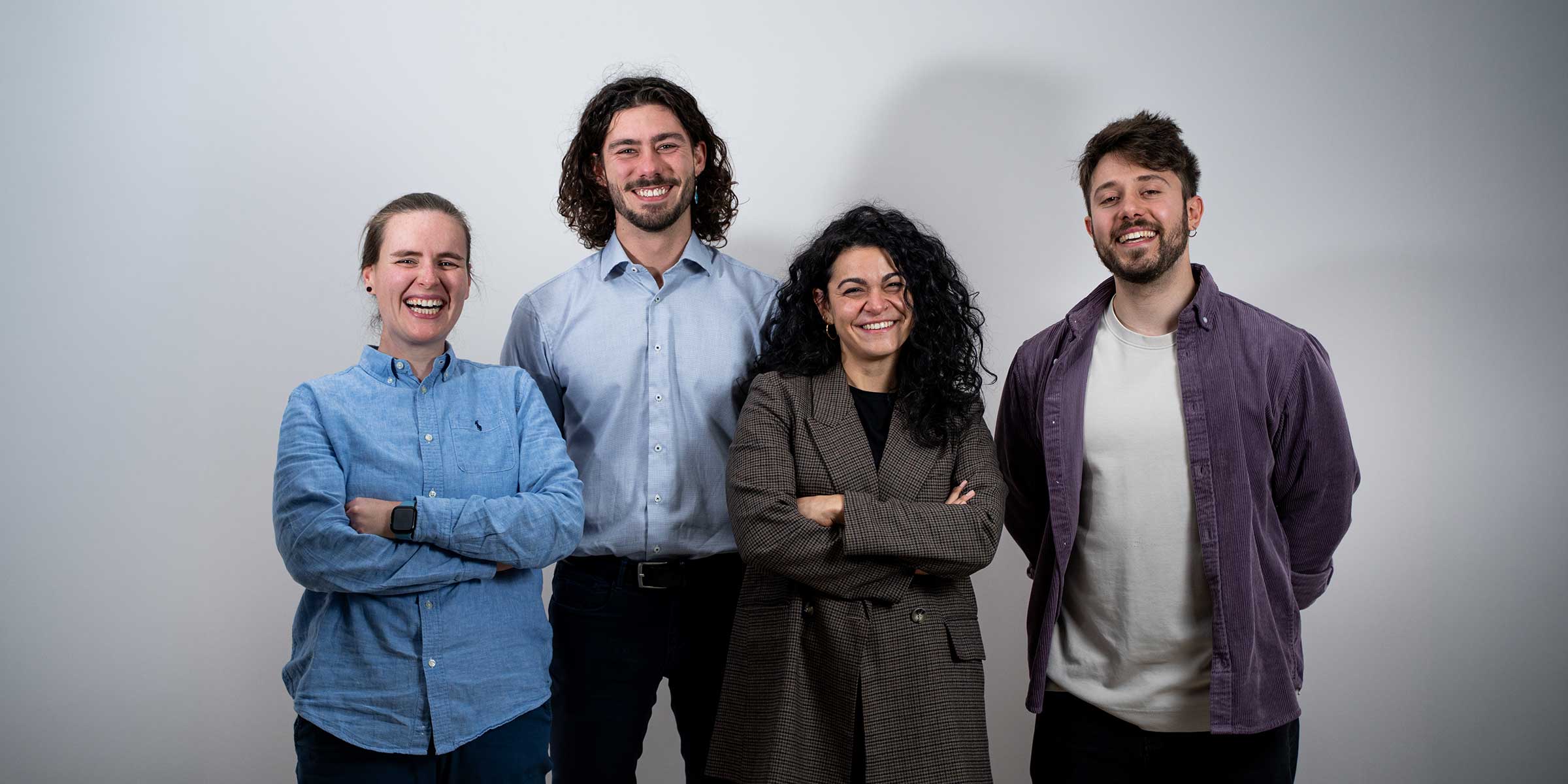
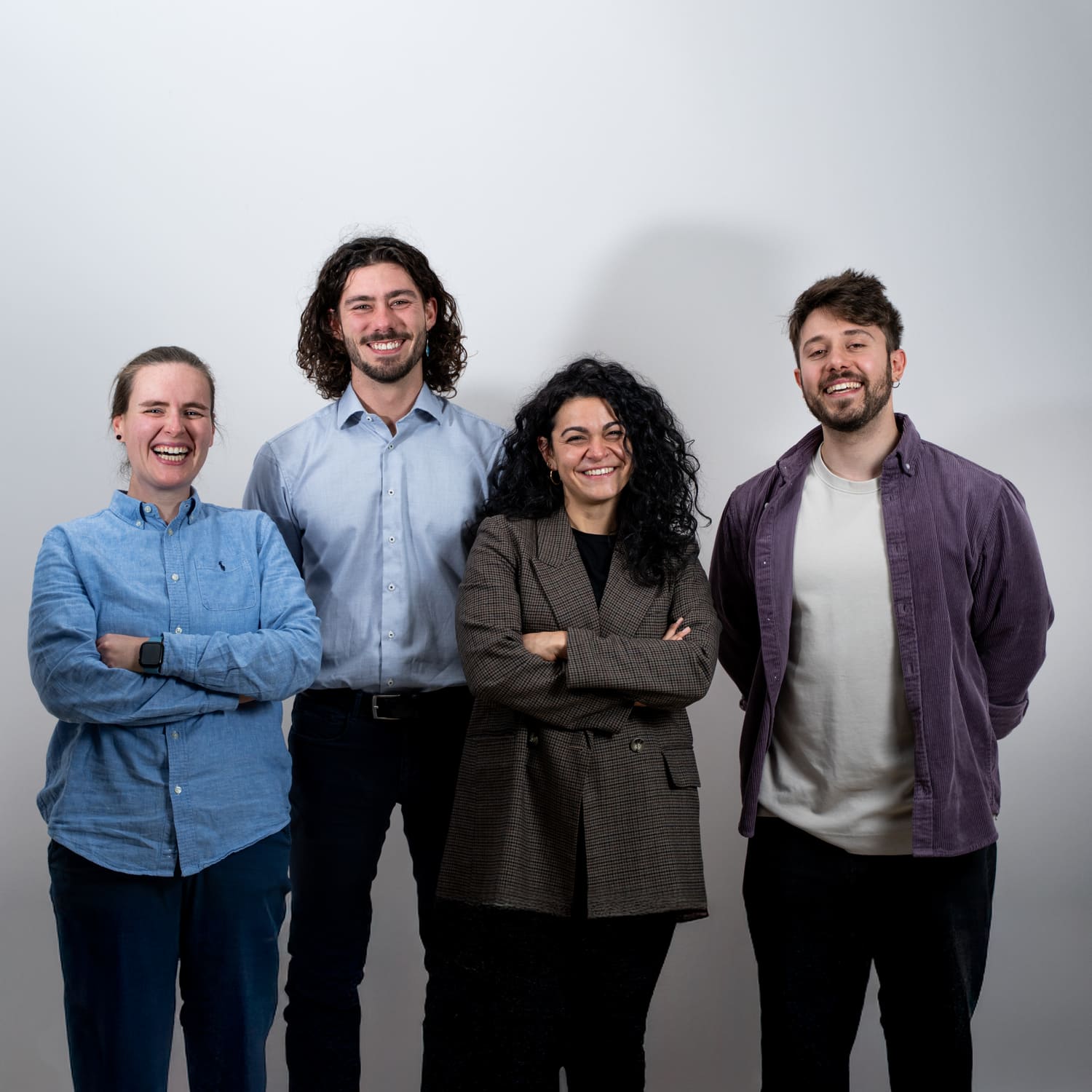
An interdisciplinary team leading the project
The project is led by a team with complementary expertise in chemistry, advanced materials, biotechnology, and engineering:
• Marco Illich – CEO & Co-founder: strategy, fundraising, industrial partnerships, go-to-market.
• Carlo Amata – CTO & Co-founder: development and optimization of nano-encapsulation technology.
• Morena Rolando – CSO & Co-founder: agronomic validation, field trials, interaction of the technology within the soil-plant system.
• Silvia Fraterrigo – COO & Co-founder: green chemistry, sustainable formulation, R&D operations.
Altered Materials also collaborates with Franco Aquistapace, a specialist in computational chemistry, who develops predictive molecular dynamics models to simulate the stability and release profiles of encapsulated molecules, thereby significantly accelerating internal R&D processes.
On the strategic front, the startup is supported by Enrico Castellani—Business & Strategy Advisor, a manager with experience in sales and strategic marketing roles at multinational companies such as Ferrero, BICC Cables, and Kimberly-Clark, and an entrepreneur with a proven track record in growing startups through to the scale-up phase. He assists Altered Materials in developing its business model, formulating go-to-market strategies, and preparing for investment rounds.
The startup can also count on a scientific advisory board composed of professors from the Polytechnic University of Turin and the University of Turin, with specializations in biogeochemistry, chemical plants, and advanced materials: a strategic asset for the validation and scale-up of the technology.