Zero Impack
Milano
Irene Simone
Short description
Large-scale meal distribution still relies on traditional, largely undigitized models, leading to inefficiencies and waste. In Italy, the institutional food service market is worth approximately 5 billion euros, with over 800 million meals served annually, and is required to meet increasingly stringent standards for sustainability, food safety, traceability, and transparency. Many operators, however, struggle to adapt, continuing to rely on manual processes that slow down innovation and change. In fact, digitization is still in its early stages and is often limited to the adoption of standard management software. But this is destined to become a necessary step to remain competitive and keep pace with market evolution.
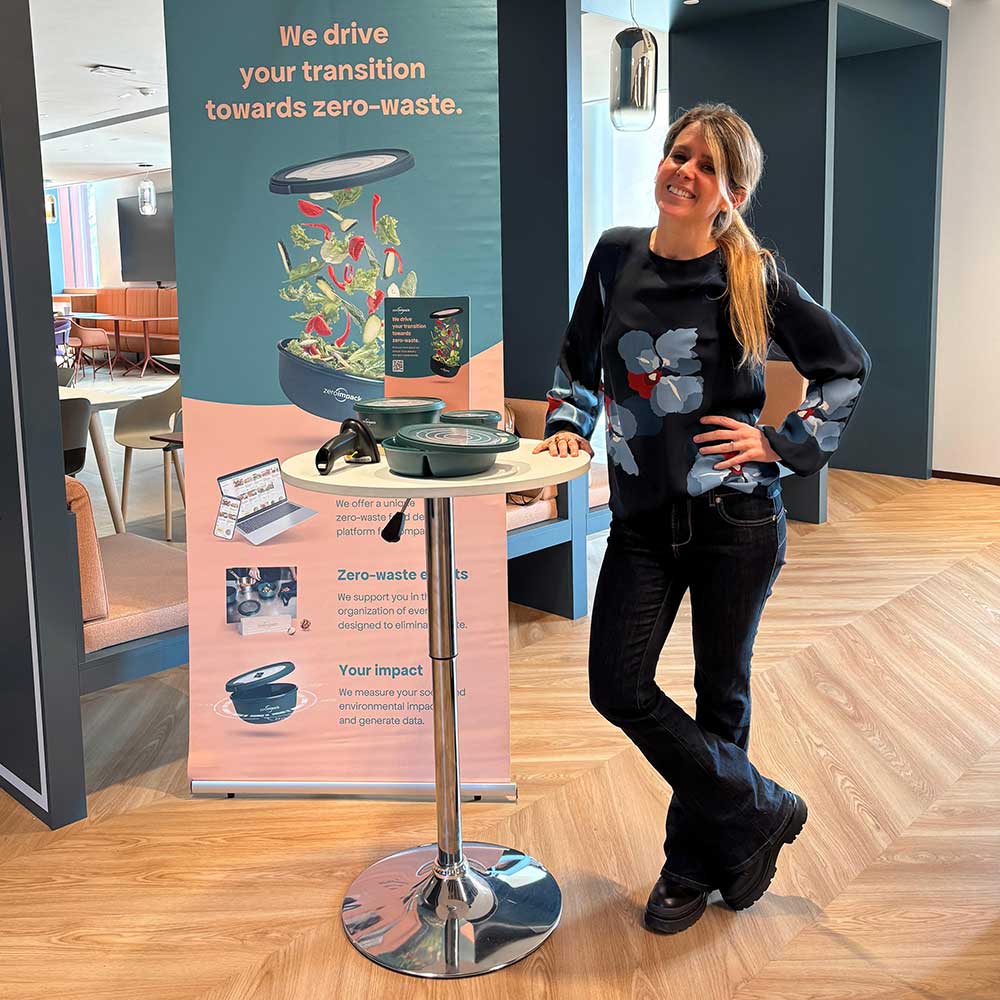
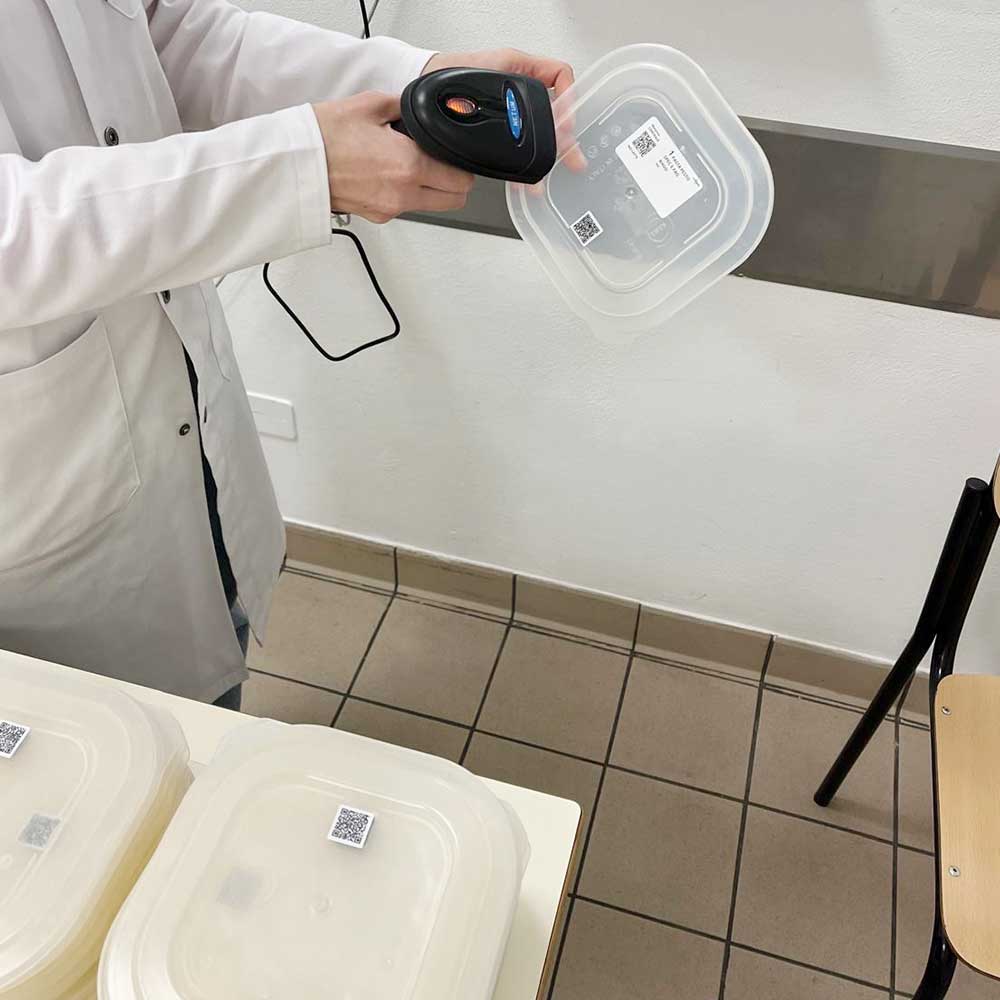
This is where Zero Impack comes in. We were founded to guide this transition by positioning ourselves at the intersection of operational software and large-scale reuse systems. Our platform enables tangible improvements in our clients’ operational performance: up to 70% time savings in kitchen activities, an 82% reduction in errors, and up to 50% fewer penalties per food service center. Added to this is a 90% reduction in single-use packaging, which translates to an average savings of approximately €15,000 per year per kitchen facility.
Our vision is to become the standard operational platform for efficient, digital, and low-impact institutional food service.
Business & Revenue Model
Zero Impack primarily targets medium- and large-scale institutional food service operators—multi-site groups, corporate, healthcare, and university cafeterias—in Italy and, increasingly, across Europe.
These customers are willing to pay because the platform generates direct economic, environmental, and reputational returns: it reduces operating costs, errors, and penalties; increases scores in public tenders thanks to verifiable data on sustainability and traceability; improves the environmental profile by eliminating single-use packaging; and strengthens reputation among public and private stakeholders.
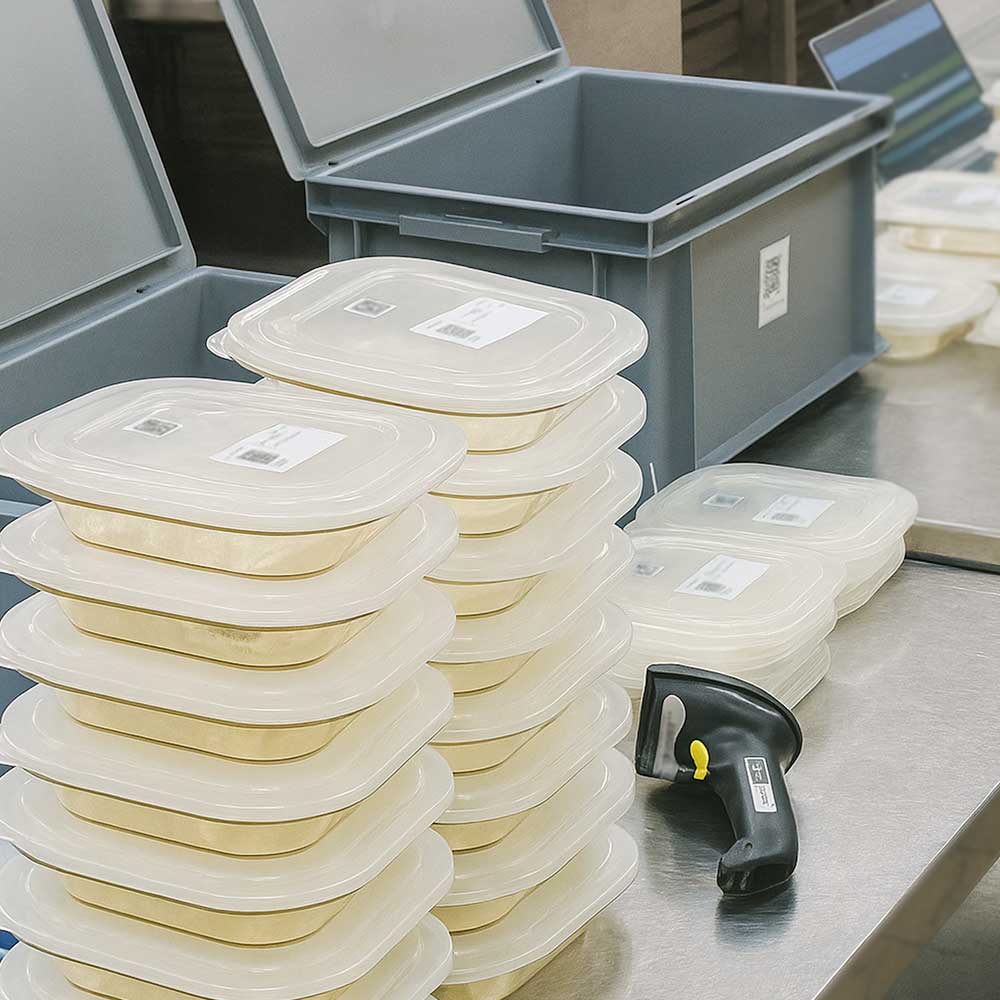
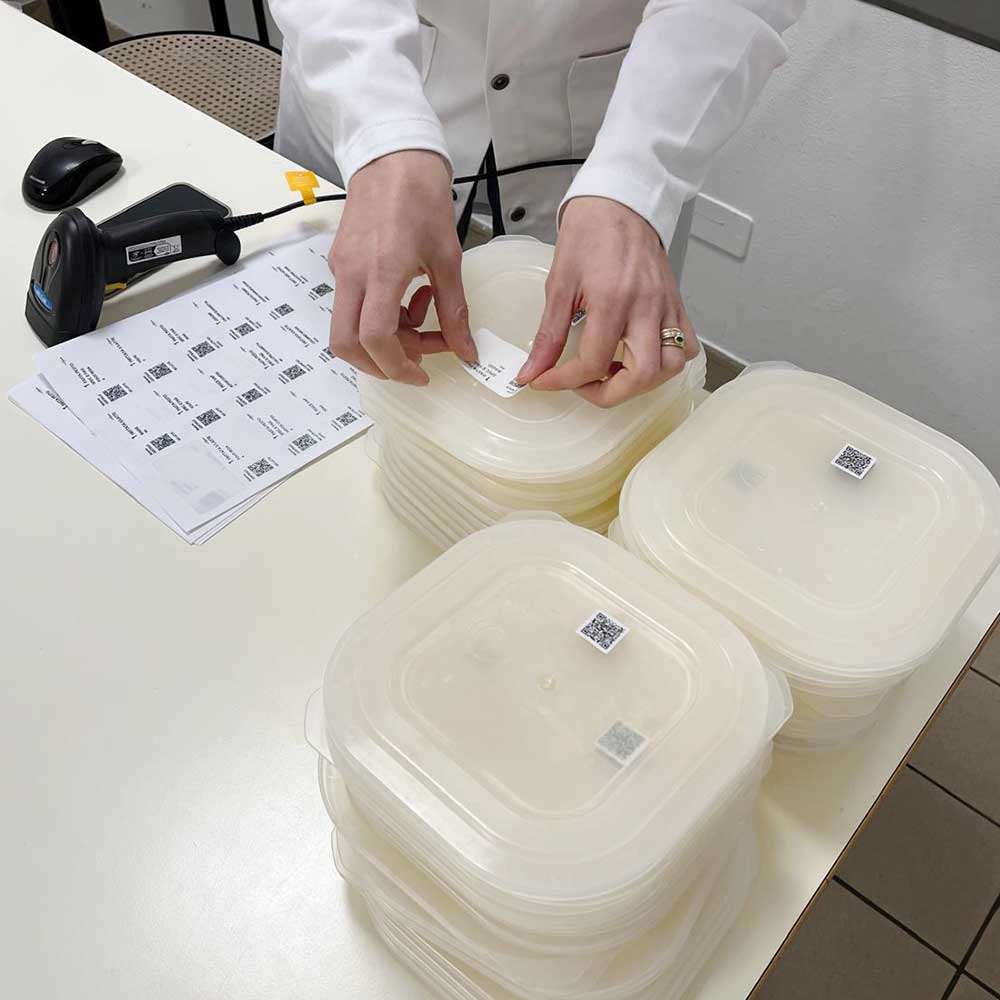
The revenue model is a subscription-based SaaS model, with standard and premium modular packages, supplemented by components related to the reuse service (pay-per-use reusable packaging + hardware components).
The average monthly fee varies based on the size of the client and the kitchen facility, averaging between 800 and 1,200 euros per month per kitchen. Contracts are multi-year (ranging from 5 to 8 years). Gross margins are approximately 80–85% on the software component, 50% on packaging with a 12-month amortization period, and are progressively improving on the operational side (we are aiming for 20%).
Our most important sales channel is strategic partnerships with institutions and public administrations, key stakeholders in the world of public institutional catering.
Traction
In 2025, Zero Impack generated revenue of 143,000. In the first three months of 2026, it recorded 60% growth, with a 45% increase in gross margin, a 21% increase in EBITDA, and a cash burn that fell from 30k to 13k during that period. We currently serve over 20 active sites across institutional catering, retail, and commercial catering, with key clients including Sodexo, Euroristorazione, Carrefour, and MIND – Milano Innovation District. Retention stands at 100%, with zero churn. The sales pipeline is well underway and includes advanced negotiations with institutional catering operators such as Dussmann, Elior, Cirfood, Gemos, Ristoservice, and Medcatering, as well as new retail openings and expansion with Sodexo across the entire country. The revenue target for 2026 is approximately 500,000 euros.
Roadmap and Development Plan
Zero Impack is evolving its technology platform into an increasingly integrated and data-driven system, with the development of advanced modules for end-to-end traceability, automation of operational workflows, and measurement of environmental impact. Our roadmap includes:
2026: Development of a proprietary platform, integration of AI, and consolidation with major operators.
2027: Full process automation, commercial growth, and nationwide rollout.
2028: European expansion, supply chain interoperability, and positioning as the industry’s digital standard.
Funding need & use of funds
We plan to launch a new funding round in 2026 and close it by the end of 2027. We are seeking €800,000 in funding, which we intend to allocate as follows: 30% for software product development; 40% for personnel (sales and customer service); 20% for marketing; and 10% for operating costs.
Team & Cap Table
Team:
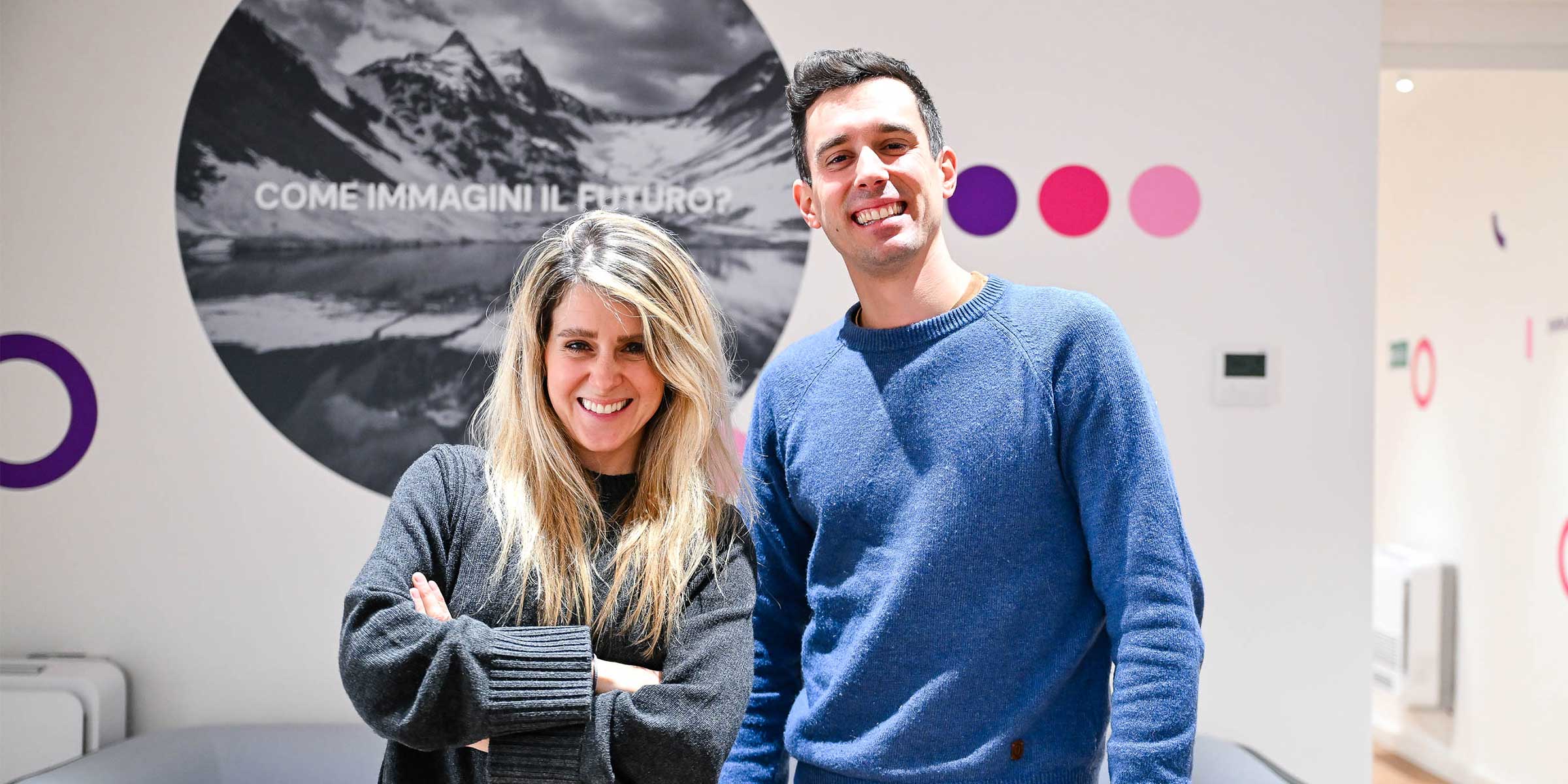
Irene Simone – Role: CEO, Co-Founder
Key Skills:
Entrepreneurial vision in the areas of sustainability, business development, B2B go-to-market strategies, open innovation, and working with ecosystems.
Relevant experience:
Open Innovation Program Manager, Policlinico Gemelli, Rome (2017–2022)
Experience in international organizations (UN), the European Commission, and public agencies (2010–2017)
Giulio Simone – Role: CPO, Co-Founder
Distinctive skills:
Analytical and quantitative approach to problem-solving, engineering of complex operating systems
Relevant experience:
R&D Engineer, Physee Technologies, Delft (2020–2022)
PhD Researcher, TUE Eindhoven (2015–2020)
R&D Engineer, Holst Center Eindhoven (2014–2015)
Advisory Board:
- Nicola Lamberti – Strategy and Growth
- Manuela Zanin – Strategic Marketing
- Alessandro Cremonesi – CFO
- Elisena Battocchio – Administration
- Elisa Geraci – Legal
Cap table:
26.39 %
Irene Simone
26.39 %
Giulio Simone
29.42 %
Alimentiamoci S.R.L.
3.42 %
Impactage S.R.L.
1.73 %
Luky S.R.L.
8.96 %
Other members
3.69 %
Stock Option Plan
Social/environmental issue and impact
Problem:
The institutional food service sector is responsible for a significant environmental impact, linked to the massive use of single-use packaging, operational waste, and difficulties in ensuring traceability and process control. At the same time, operators struggle to manage these complexities efficiently, with negative effects on sustainability and service quality.
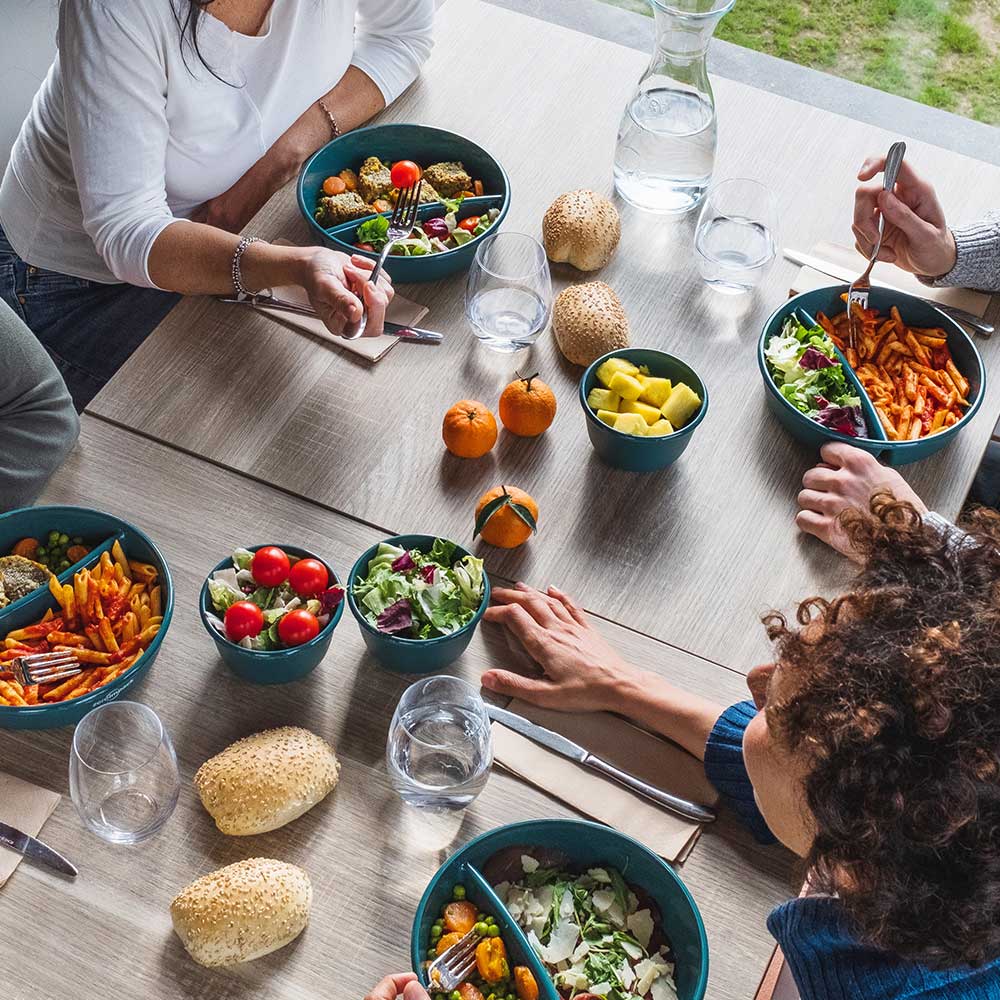
Zero Impack addresses this issue by digitizing operational workflows and introducing a large-scale, traceable reuse model, making the impact measurable and manageable throughout the supply chain. The platform enables monitoring of key metrics such as single-use reduction (up to 90%), avoided emissions, operational errors, and resource usage, facilitating structured ESG reporting.
The model aligns with European goals on the circular economy and waste reduction, as well as with the SDGs related to responsible consumption and climate action. The benefits are tangible for all stakeholders: greater efficiency for operators, safer and more sustainable services for end users, and a reduced environmental impact for local communities.
Financial Structure (equity, debt, grant)
Equity:
- € 250K Alimentiamoci Srl (dicembre 2021)
- € 241,5K Business Angels (2024)
- € 160K LGV (2026)
Debt:
- € 80K – Banca Etica – 2025